

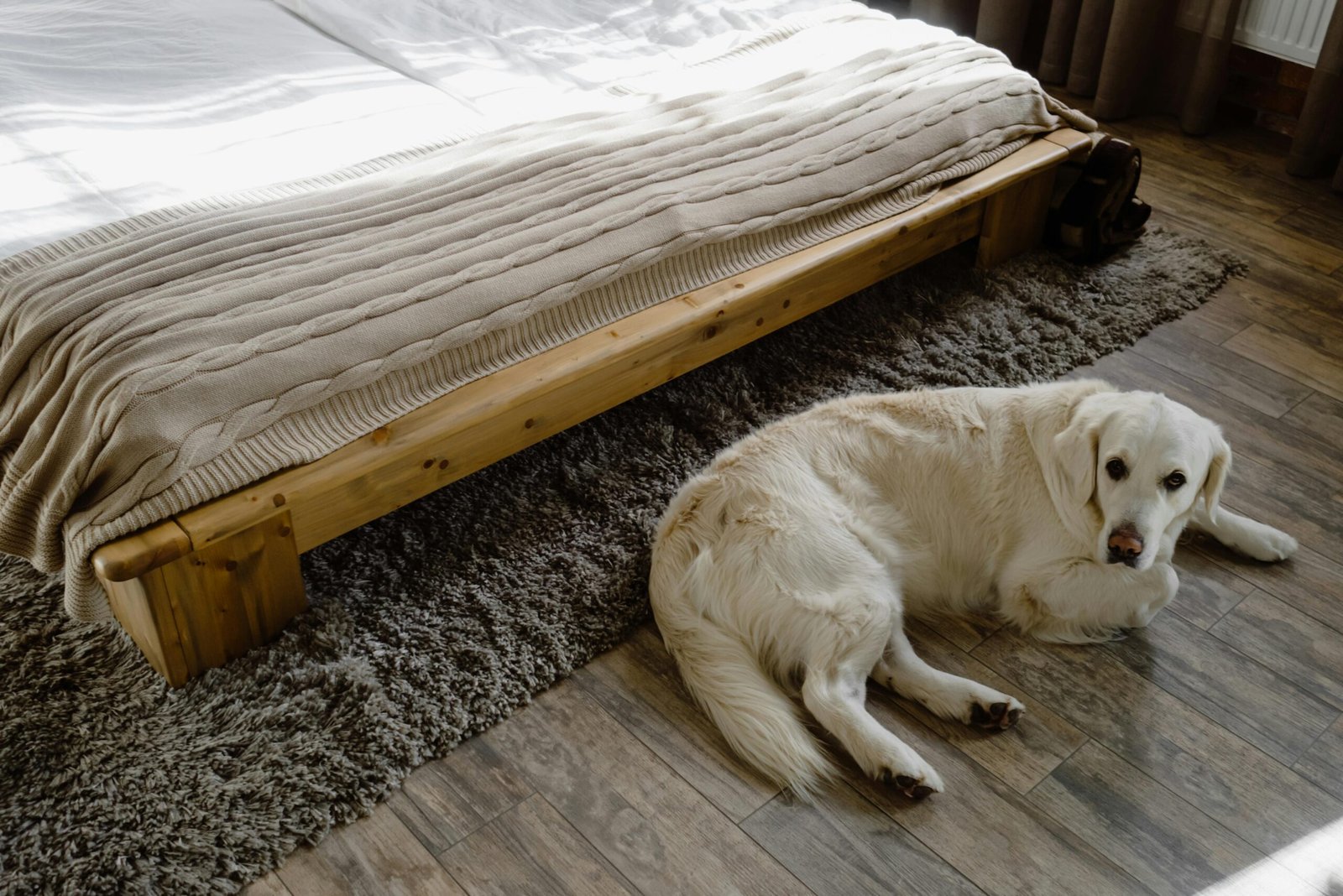
Dog joint pain pressure relief bed solutions matter more than most owners realize—because stiffness usually isn’t “just aging.” If your dog takes a few slow steps after getting up, hesitates before jumping onto the couch, or keeps changing positions at night, that’s often a sign their body isn’t getting real pressure relief when they rest.
The hard truth: many “comfy” beds feel soft to us, but they don’t reduce pressure on hips, elbows, and shoulders for a dog that’s already sore. When the foam compresses too fast or the surface doesn’t support alignment, your dog compensates—shifting, stretching, curling, and waking up without fully recovering.
In this guide, you’ll learn what typically causes joint pain and stiffness, what features actually reduce pressure points, and why the Furhaven Two-Tone Orthopedic Chaise (with egg-crate foam and a chaise-style bolster design) can be a practical upgrade for dogs that need gentler, more supportive rest.
Why Joint Pain and Stiffness Are Common in Dogs
Joint pain and stiffness don’t appear overnight. In most cases, they develop gradually as pressure builds up in the wrong areas during rest. That’s why choosing a dog joint pain pressure relief bed is often one of the most overlooked—but most effective—changes owners can make.
One of the biggest factors is age. As dogs get older, cartilage naturally wears down and joints become less resilient. Even healthy senior dogs may start feeling discomfort after long periods of lying on hard floors or unsupportive beds. Without proper cushioning, pressure concentrates on the hips, elbows, and shoulders, making stiffness worse each morning.
Body weight also plays a major role. Medium and large dogs place significantly more stress on their joints when resting. If a bed compresses fully under their weight, the joints absorb impact instead of being supported. Over time, this constant pressure can lead to inflammation, soreness, and reduced mobility.
Another common cause is poor sleep surfaces. Many traditional dog beds use flat padding or low-density foam that feels soft at first but quickly loses structure. When this happens, dogs instinctively change positions throughout the night to relieve discomfort. Frequent repositioning is one of the earliest signs that a dog is not getting enough pressure relief during rest.
Environmental factors matter too. Dogs that spend a lot of time on tile, hardwood, or concrete floors are especially prone to joint stiffness. These surfaces provide no shock absorption, forcing joints to bear the full weight of the body. Over time, this accelerates wear—particularly in dogs already prone to arthritis or joint sensitivity.
The key takeaway is simple: joint pain isn’t always caused by injury or illness alone. In many cases, it’s reinforced daily by poor resting conditions. That’s why veterinarians and canine product specialists often recommend upgrading to a dog joint pain pressure relief bed designed to reduce pressure points and support natural alignment during sleep.
How Pressure Points Make Joint Pain Worse
When a dog lies down, most of their body weight is concentrated on a few contact areas—typically the hips, elbows, shoulders, and sometimes the spine. On hard or poorly cushioned surfaces, these areas absorb continuous pressure for hours at a time. Unlike humans, dogs can’t easily reposition themselves with pillows or mattresses designed to redistribute weight.
Over time, this constant pressure restricts blood flow to the joints and surrounding tissues. Reduced circulation slows recovery, increases inflammation, and makes joints feel stiff or sore when the dog gets up. This is why many dogs appear slow or uncomfortable in the morning, even if they seemed fine the night before.
Another issue is compression fatigue. Low-quality or flat beds compress quickly under a dog’s weight and fail to bounce back. Once the foam collapses, the joints are essentially resting on the floor beneath. This creates uneven support, forcing dogs to shift positions repeatedly in an attempt to relieve discomfort. Frequent nighttime movement is one of the clearest signs that a dog is not benefiting from proper pressure relief.
Pressure points also affect sleep depth. Dogs experiencing discomfort rarely enter deep, restorative sleep cycles. Instead, they remain semi-alert, changing positions often and waking up without fully recovering. Over time, this lack of quality rest can worsen joint stiffness, reduce mobility, and even affect mood and energy levels during the day.
This is exactly where a dog joint pain pressure relief bed makes a difference. Beds designed to distribute weight evenly—rather than allowing it to sink into a few hard contact points—help reduce strain on sensitive joints. By supporting the body more evenly, pressure relief beds allow muscles to relax, circulation to improve, and joints to recover properly during rest.
What to Look for in a Dog Joint Pain Pressure Relief Bed
Not all orthopedic dog beds provide true pressure relief. Many are labeled “orthopedic” based on appearance alone, even though their materials and structure do little to reduce joint stress. When evaluating a dog joint pain pressure relief bed, a few specific features consistently matter more than everything else.
Egg-Crate Orthopedic Foam Explained
Egg-crate foam is one of the most effective materials for pressure relief when it’s done correctly. Its contoured surface helps distribute body weight across a wider area, reducing direct pressure on joints like hips, elbows, and shoulders. Unlike flat foam, egg-crate designs allow heavier areas of the body to sink slightly while supporting lighter areas, creating more balanced alignment.
Veterinary-backed buying guides often recommend egg-crate foam for dogs experiencing stiffness or early joint discomfort because it improves circulation and reduces compression during long periods of rest. When paired with adequate thickness, this type of foam can significantly reduce pressure buildup overnight.
Support vs. Softness (Why Plush Isn’t Enough)
Soft beds feel comforting to human hands, but softness alone does not equal support. Beds made with overly plush filling or low-density foam compress too quickly under a dog’s weight. Once compressed, they offer little resistance, allowing joints to press against hard flooring beneath.
A proper dog joint pain pressure relief bed strikes a balance between comfort and structure. The surface should feel gentle on contact, while the underlying foam remains firm enough to hold the dog’s body in a neutral position. This balance helps prevent sinking, bottoming out, and uneven pressure distribution.
Bolsters and Body Positioning
Bolsters play an important role in reducing joint strain, especially for dogs that sleep on their side or curl up. Raised edges give dogs a place to rest their head or brace their body, which helps reduce tension in the neck and spine. For dogs with joint sensitivity, this added support can minimize awkward sleeping angles that increase stiffness.
Chaise-style beds with L-shaped bolsters are particularly helpful because they allow dogs to stretch out while still feeling supported. This design promotes natural alignment without forcing the dog into a fixed position.
Surface Comfort for Sensitive Joints
Dogs dealing with joint pain often become sensitive to rough or abrasive fabrics. A pressure relief bed should include a soft, skin-friendly surface that won’t irritate elbows, hips, or paws. Materials like faux fur or microsuede provide gentle contact while still allowing the foam underneath to do its job.
Comfortable surface materials also encourage dogs to actually use the bed consistently. A bed that reduces pressure but feels unpleasant to lie on won’t deliver long-term benefits if the dog avoids it.
Sources: www.petmd.com
How the Furhaven Orthopedic Chaise Bed Helps Relieve Pressure
When evaluating a dog joint pain pressure relief bed, the goal isn’t just softness—it’s how effectively the bed reduces pressure on sensitive joints over long periods of rest. This is where the Furhaven Orthopedic Chaise Bed stands out for dogs dealing with stiffness or early joint discomfort.
Egg-Crate Foam and Weight Distribution
The Furhaven Chaise uses an egg-crate orthopedic foam base designed to evenly distribute body weight rather than concentrating it on a few pressure points. The contoured surface allows heavier areas—such as hips and shoulders—to sink slightly while still being supported, which helps reduce stress on joints during prolonged rest.
This type of foam structure is commonly recommended in veterinary buying guides for dogs experiencing stiffness because it improves circulation and minimizes compression compared to flat or low-density foam pads. For dogs that wake up sore or slow-moving, this kind of pressure redistribution can make a noticeable difference.
Chaise-Style Design for Joint Alignment
Unlike flat rectangular beds, the chaise-style layout supports more natural body positioning. Dogs can stretch out fully while still benefiting from gentle structure along the sides. This design helps maintain better alignment of the spine and hips, especially for dogs that prefer side sleeping or semi-curled positions.
By avoiding forced angles or awkward positions, the Furhaven Chaise helps reduce overnight tension that often contributes to morning stiffness.
Bolstered Edges for Resting Without Joint Stress
The raised bolsters along the back and sides offer a comfortable place for dogs to rest their head or brace their body. This reduces strain on the neck and shoulders and prevents dogs from sleeping in positions that twist the spine or compress joints.
For dogs with joint sensitivity, having this kind of gentle boundary can also reduce nighttime repositioning, allowing for longer, more restful sleep.
Soft Faux Fur and Suede for Sensitive Dogs
Joint pain often comes with increased sensitivity, especially around elbows and hips. The Furhaven Chaise features a soft faux fur and suede sleep surface that minimizes friction and irritation. This encourages consistent bed use—an important factor, since even the best pressure relief bed can’t help if a dog avoids it.
Comfortable surface materials also help older dogs settle more easily, reducing the instinct to shift positions throughout the night.
Ideal Dogs for This Type of Orthopedic Bed
A dog joint pain pressure relief bed like the Furhaven Orthopedic Chaise is especially beneficial for dogs that experience joint stress, stiffness, or discomfort during rest. The table below helps you quickly determine whether this type of bed fits your dog’s needs.
| Dog Profile | Typical Signs | Why This Bed Helps |
|---|---|---|
| Senior dogs | Stiffness after naps, slow movement in the morning, reluctance to stand up | Egg-crate foam reduces pressure on hips and elbows, making rest more restorative |
| Dogs with mild or early joint discomfort | Frequent repositioning, avoiding their bed, hesitation before jumping | Pressure relief helps reduce compression before joint issues worsen |
| Medium to large breeds | Heavy body weight, joint stress when lying down | Even weight distribution prevents joints from pressing into hard surfaces |
| Side sleepers or curled sleepers | Prefer sleeping on one side or tucked against edges | Chaise-style bolsters support natural alignment and reduce awkward angles |
| Dogs that avoid flat beds | Choosing the floor over their bed, restless sleep | Contoured foam and bolsters feel more stable and comfortable than flat padding |
Common Mistakes That Increase Joint Pressure
Many owners want to help their dog feel better but unknowingly make choices that worsen joint discomfort. These common mistakes often explain why joint pain and stiffness persist—even when a dog already has a bed. Understanding them is essential when choosing a dog joint pain pressure relief bed that truly works.
Choosing Soft Beds Instead of Supportive Ones
One of the most common errors is assuming that softness equals comfort. Beds filled with plush fiber or low-density foam may feel cozy at first touch, but they compress quickly under a dog’s weight. Once flattened, they provide little protection against pressure on hips, elbows, and shoulders. Without proper structure, joints continue to absorb stress during rest.
Using Flat or Worn-Out Bedding
Flat beds or older beds that have lost their shape fail to distribute weight evenly. Over time, foam breakdown creates hard contact points beneath the surface. Dogs instinctively respond by shifting positions throughout the night, which prevents deep, restorative sleep and increases morning stiffness.
Buying the Wrong Size
Beds that are too small force dogs into unnatural sleeping positions. Curled legs, twisted spines, and hanging limbs all contribute to uneven joint pressure. Even a high-quality orthopedic bed won’t provide proper relief if the dog can’t stretch or reposition comfortably.
Ignoring Pressure Points in Key Areas
Some beds don’t account for the fact that dogs carry most of their weight on specific joints. Without contoured or pressure-relieving foam, areas like the hips and elbows bear the brunt of compression. A true dog joint pain pressure relief bed is designed to reduce stress in exactly these high-impact zones.
Prioritizing Price Over Long-Term Comfort
Low-cost beds often use materials that break down quickly. While they may seem like a good deal initially, they usually require frequent replacement and provide inconsistent support. Over time, this leads to ongoing discomfort rather than lasting relief.
Final Verdict: Is the Furhaven Chaise a Good Choice for Joint Pain Relief?
When it comes to easing stiffness and reducing pressure on sensitive joints, the right bed can make a noticeable difference in a dog’s daily comfort. A well-designed dog joint pain pressure relief bed doesn’t just feel soft—it actively supports the body, distributes weight evenly, and minimizes stress on areas like hips, elbows, and shoulders.
The Furhaven Orthopedic Chaise Bed fits this role well for dogs dealing with mild to moderate joint discomfort. Its egg-crate foam base helps relieve pressure points, while the chaise-style design and bolstered edges encourage more natural, supported sleeping positions. For dogs that frequently reposition, wake up stiff, or avoid flat beds altogether, this type of structure can lead to more restful sleep and easier movement throughout the day.
That said, this bed is best suited for specific needs. It’s a strong option for senior dogs, medium to large breeds, and dogs showing early signs of joint stiffness. For severe mobility issues or dogs requiring very thick, medical-grade foam, a heavier-duty orthopedic bed may be more appropriate. But for everyday pressure relief and improved comfort, the Furhaven Chaise offers a practical and accessible solution.
If your dog is struggling with joint pressure during rest and you’re looking for a supportive upgrade without going to an overly bulky or premium-priced option, the Furhaven Orthopedic Chaise Bed is a reasonable choice to consider.
See the
Source: https://www.businessinsider.com